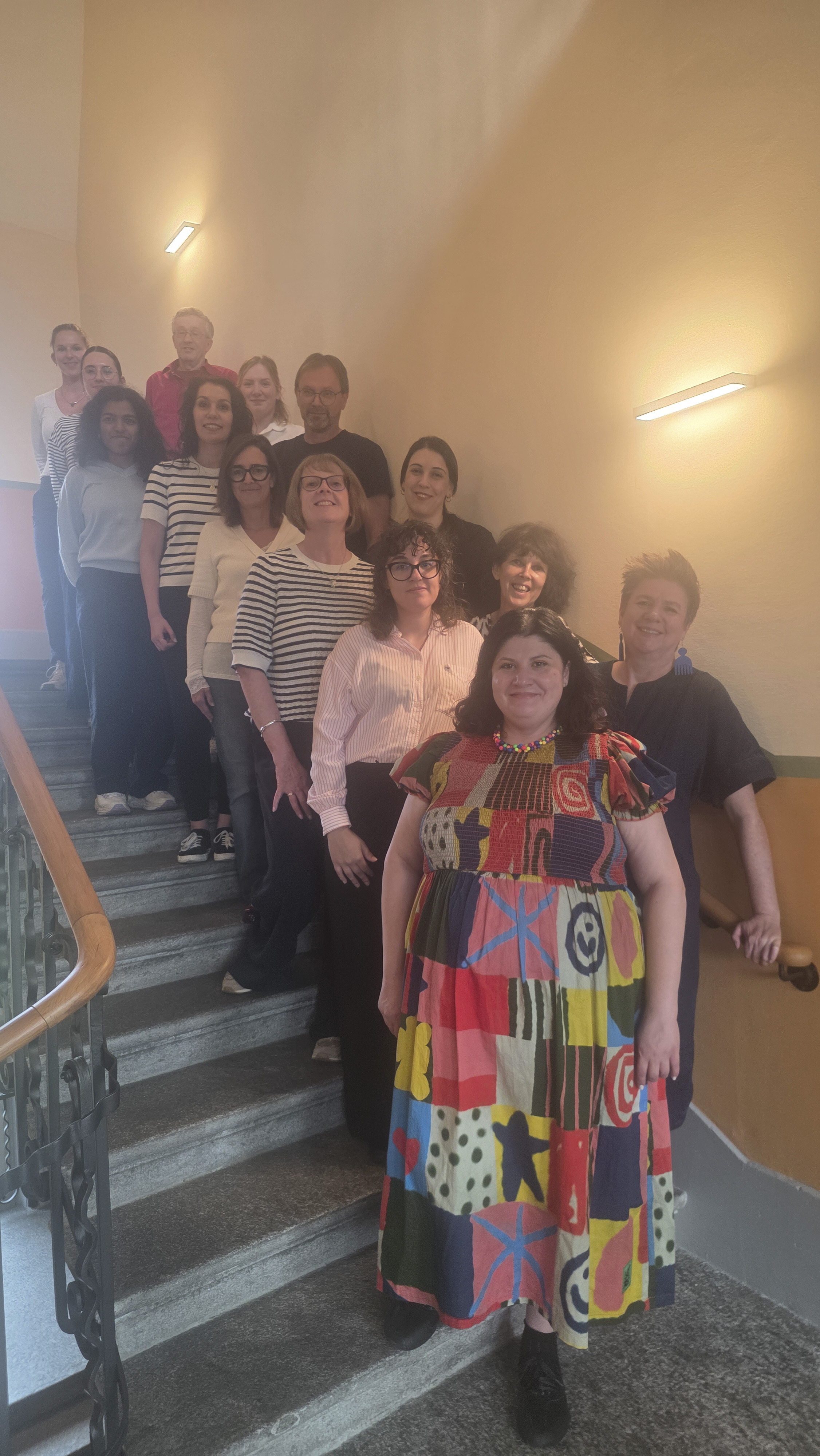
Living with PCD Meeting
Fiona Copeland was invited to attend the Living with PCD In person meeting in Bern, Switzerland. The project Living with PCD (formerly COVID-PCD) is a research study that aims to answer emerging questions about primary ciliary dyskinesia (PCD). Persons with confirmed or suspected PCD from anywhere in the world can participate. Participants receive a detailed questionnaire when they start the study. Extra questionnaires on special topics are sent from time to time.
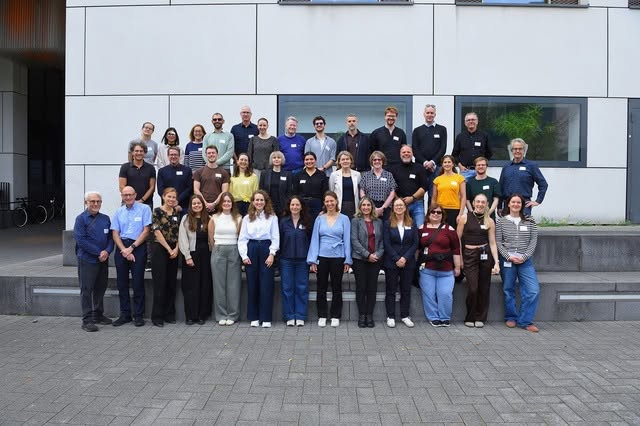
TheRacils Annual Meeting 2026
At the TheRaCiL 2026 Annual Meeting in Cologne, Fiona Copeland had the opportunity to represent the Ciliopathy Alliance to listen, learn and contribute as researchers, clinicians and patient representatives explored how early scientific discoveries might eventually lead to clinical studies that genuinely matter to patients.
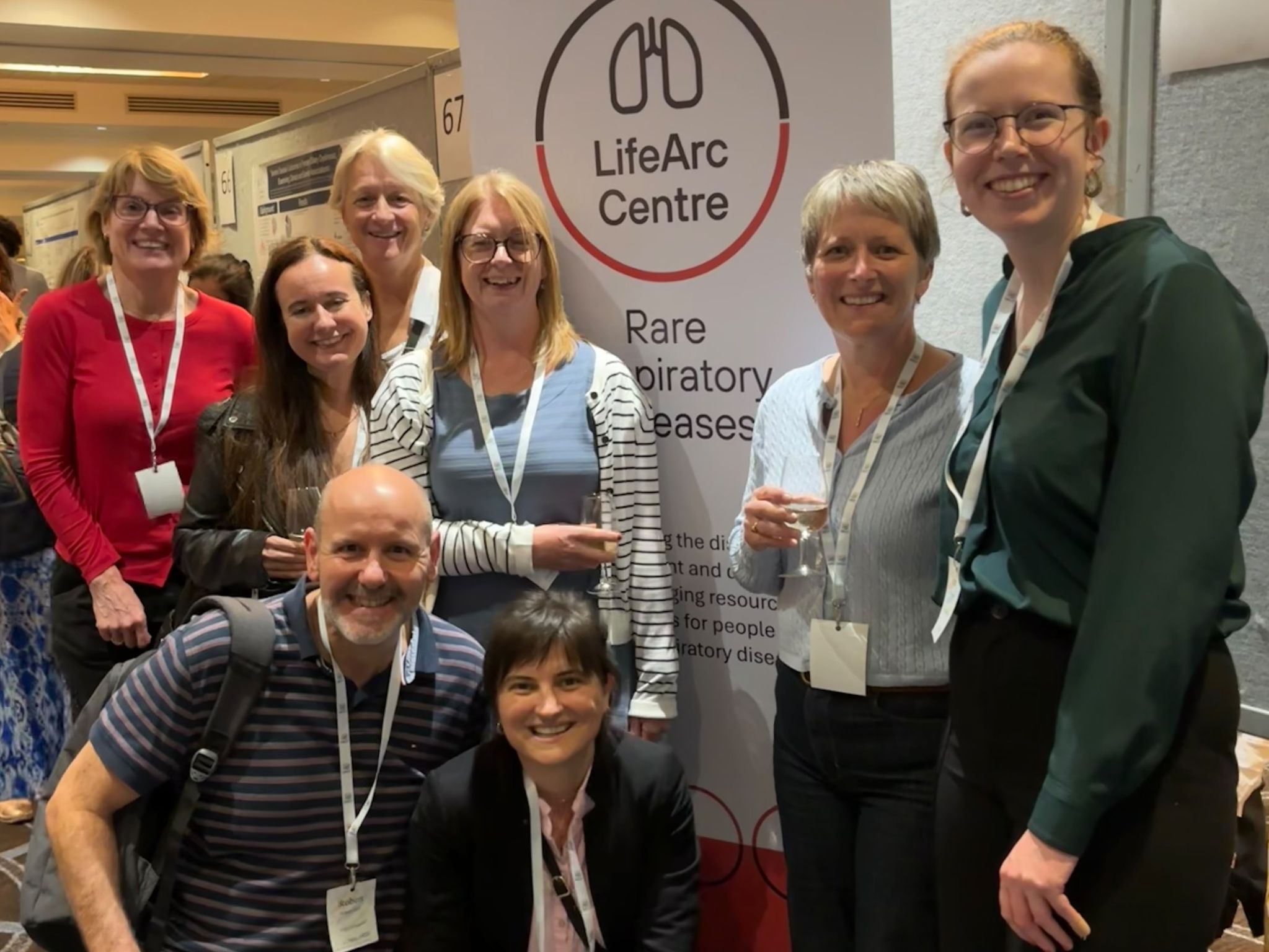
Global PCD Conference
Last week our chair, Hannah Mitchison, attended the first Global PCD Conference in Montreal hosted by the PCD Foundation.
The event welcomed more than 350 clinicians and 30 families affected by PCD from around the world. It was an inspiring opportunity to connect, learn and share a common commitment to improving understanding, care and outcomes for people living with primary ciliary dyskinesia (PCD).
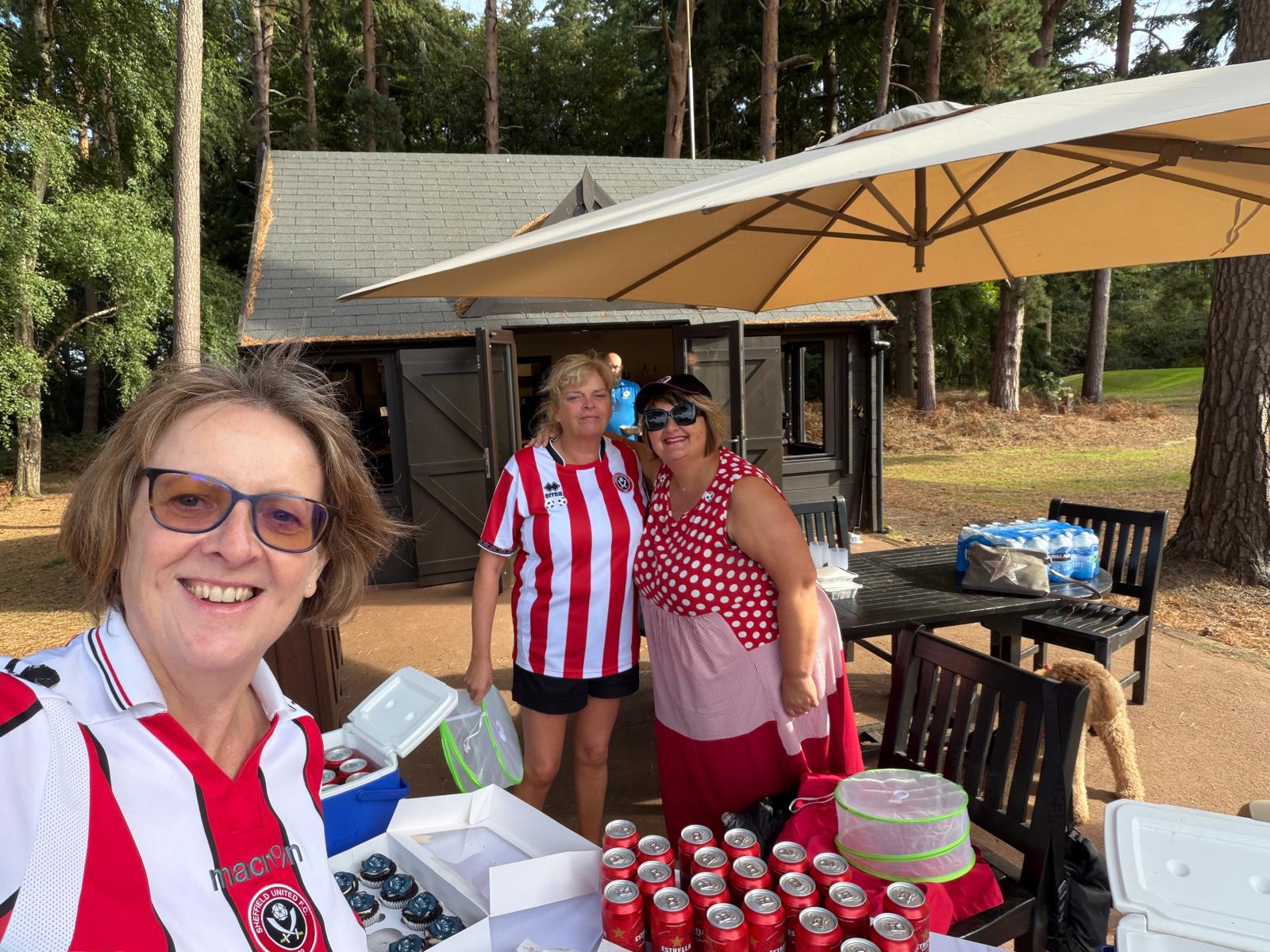
A wonderful Captain's Day at Woburn Golf Club
Sunday, 6th September 2026 was a very special day at Woburn Golf Club, as Fiona Copeland and friends joined Captain Nick Wilson to celebrate his Captain's Day. Nick, a long standing colleague of Fiona's, welcomed 170 players for a memorable day of golf, friendship and fundraising in support of the Ciliopathy Alliance.
Lister Prize Congratulations for Girish Mali
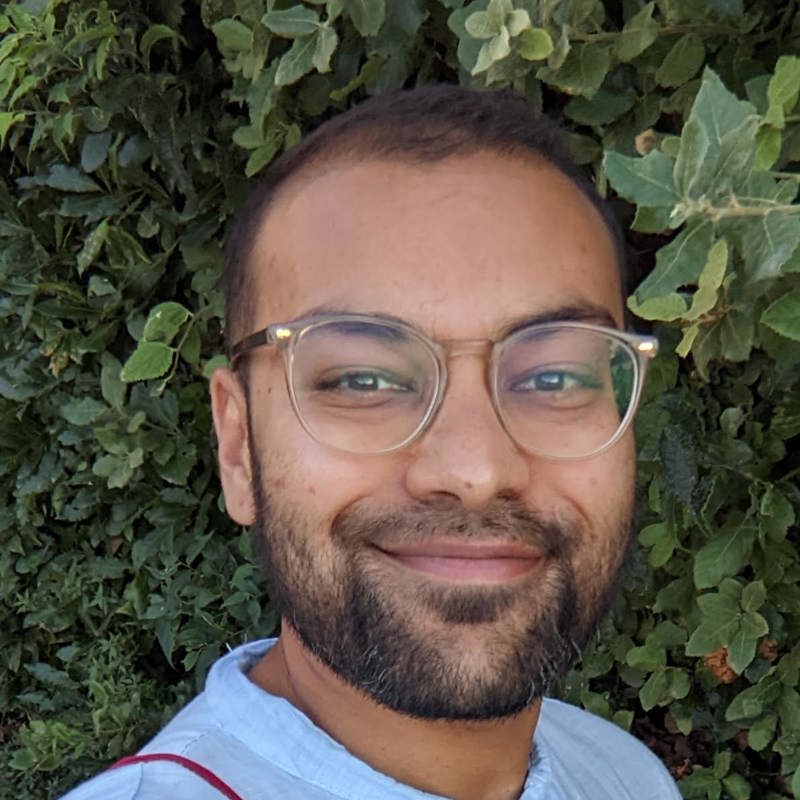
We are delighted to learn that long term supporter of the Ciliopathy Alliance, Girish Mali,has been awarded the Lister Prize for his respiratory cilia work into Primary Ciliary Dyskinesia (PCD).
Welcoming Keele University Interns: Growing Skills, Growing Impact
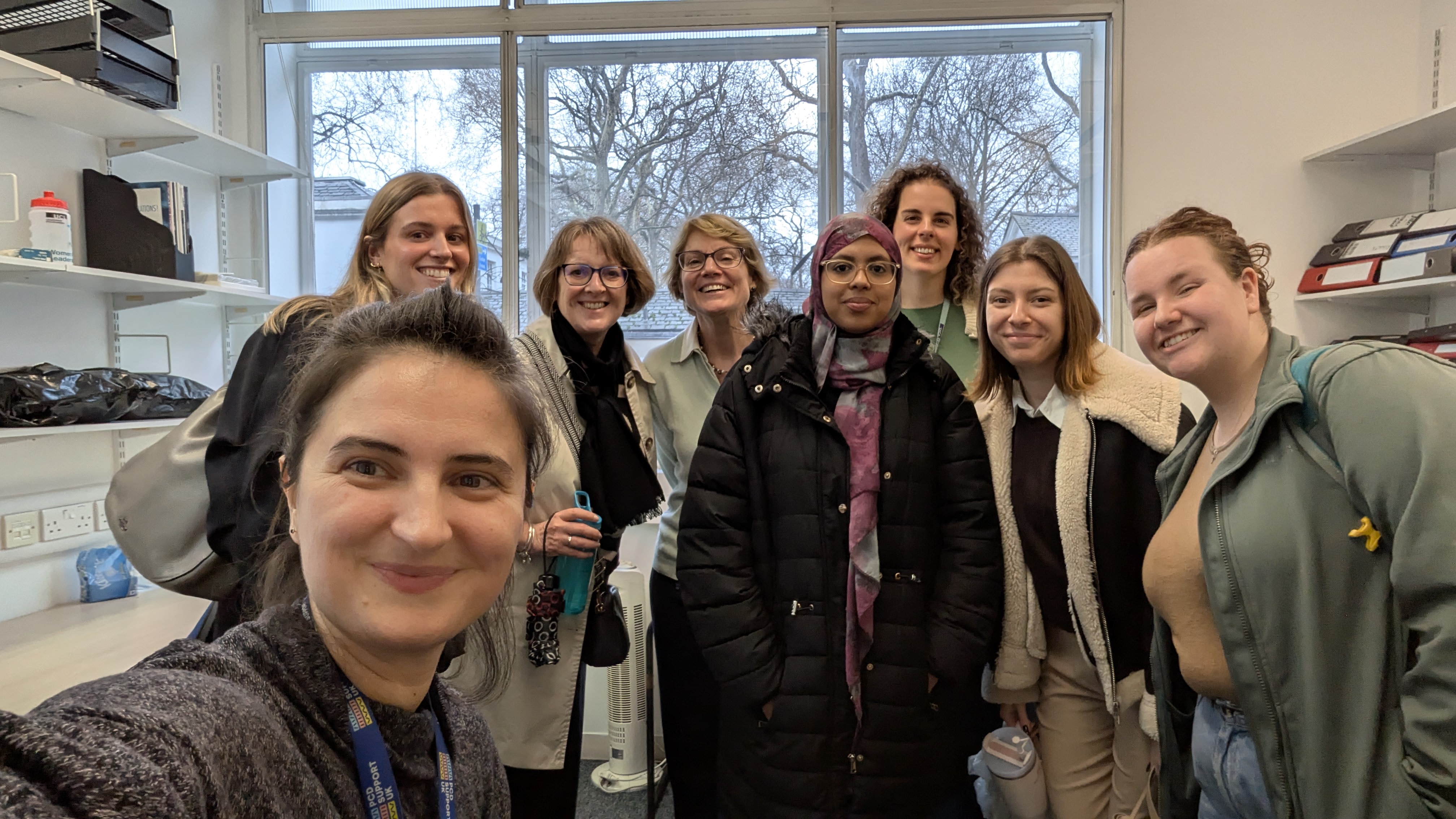
This year, we were delighted to welcome a group of talented interns from Keele University to the Ciliopathy Alliance UK. As part of their course, each student completed 75 hours of work with us over four months — and what they achieved in that short time has been remarkable.

Treasurer Required
We are looking for a treasurer to join our board of trustees to help us achieve our short-term goals and to ensure the long-term viability of the alliance. To do this we believe an enthusiastic treasurer with great communication skills, experience of working in financial management and some knowledge of the charity sector would be a great asset to our charity.
Spotlight on our Chair Hannah Mitchison - 'We can't do this without patients'
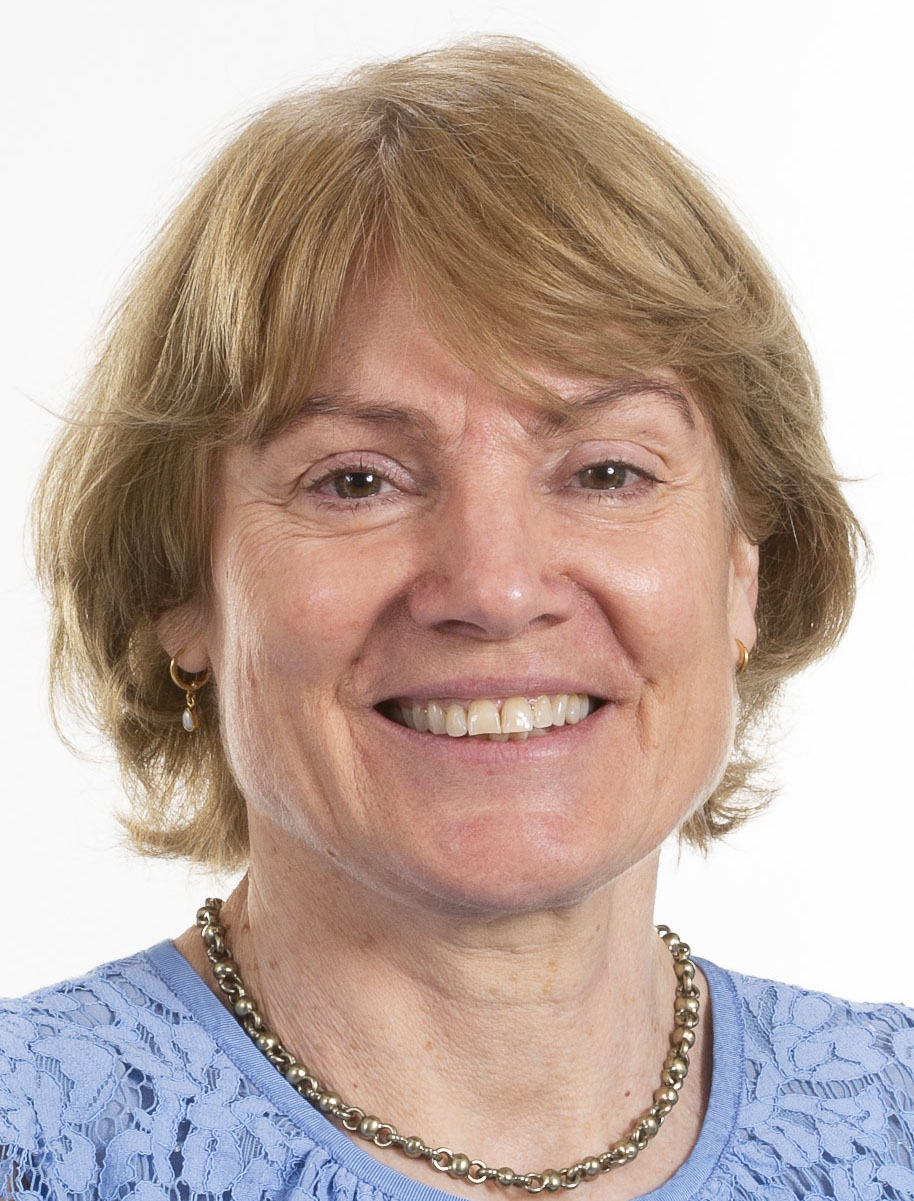
A Spotlight on our Chair, Hannah Mitchison: “We can’t do this without patients”
From a childhood spent next door to a medical research institute to three decades at the forefront of ciliopathy research, she reflects on science, advocacy and why progress depends on listening to those living with rare disease.
Hannah Mitchison grew up with science so close to home that it barely announced itself as anything special. Born in north London, she spent her early years living next door to her father’s workplace, a medical research institute in Mill Hill. There was a small garden gate between the family house and the laboratory. “He would just walk to work,” she recalls. “So, my dad was a complete scientist, and he kept going till he was in his eighties."
Alström Syndrome UK is pleased to join Genetic Alliance UK’s Future for Rare Steering Group
Alström Syndrome UK is pleased to join Genetic Alliance UK’s Future for Rare Steering Group. Together, we are taking a leading role in shaping the future of rare conditions policy in the UK.
The Future for Rare survey is designed to capture a comprehensive picture of the current experiences and priorities of the genetic, rare and undiagnosed community across the UK.
We welcome views from everyone, whether you are living with a genetic, rare and undiagnosed condition, caring for a loved one, or working for a support organisation, as a researcher or a healthcare professional. Every perspective is valued equally and will directly inform our recommendations to all four governments.
Share your experiences via the Future for Rare survey.
Please submit your response by Friday 24 April 2026.
For more information on how this information will inform the campaign, please visit the Future for Rare webpage.
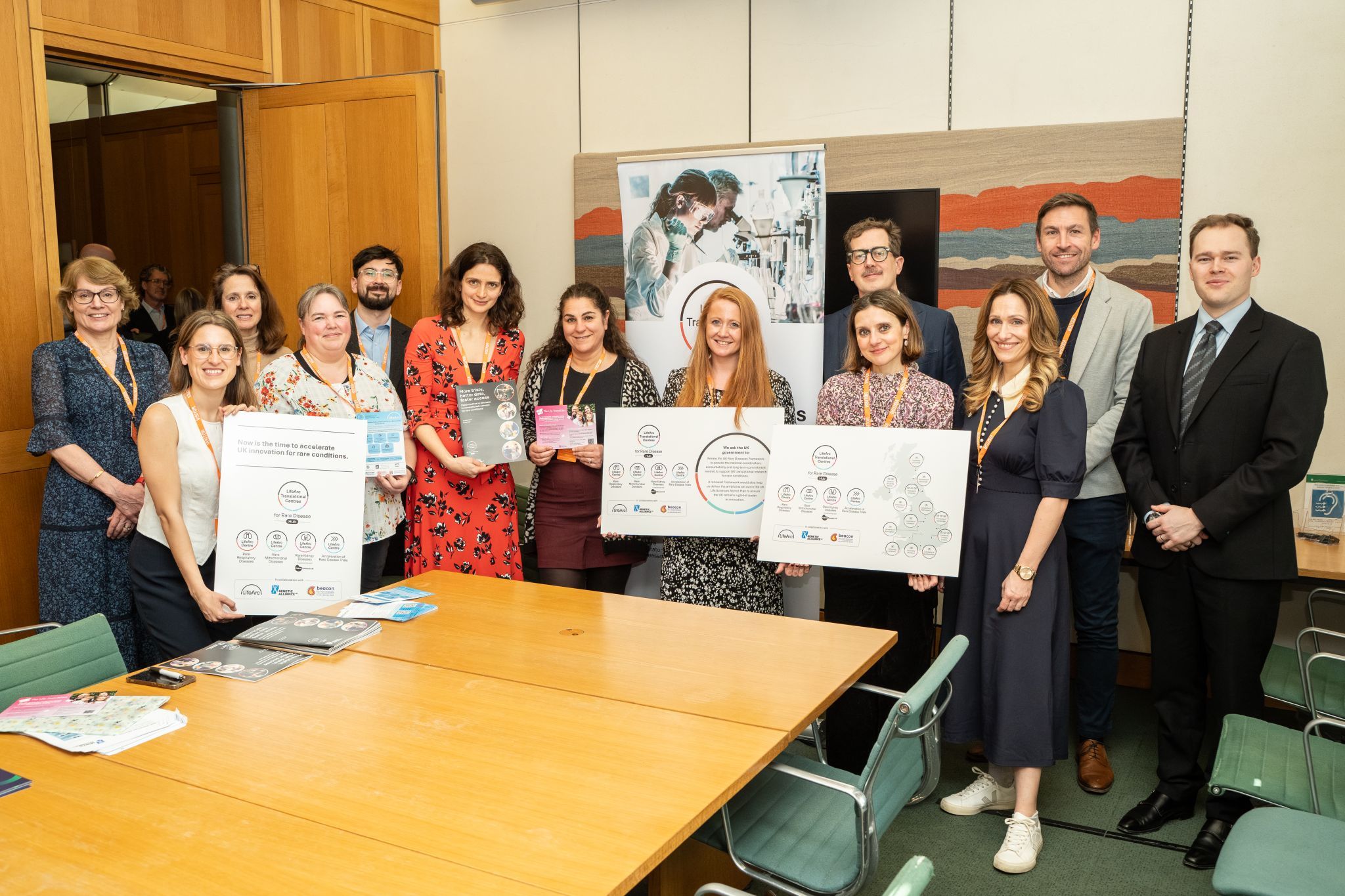
Launch of Life Arc, Genetic Alliance and Beaon for Rare Diseases More Trials Better Data Faster Access Report
Our Chair, Hannah Mitchison, attended a meeting on 17th March 2026 at Parliament to launch the Life Arc, Genetic Alliance and Beacon for Rare Diseases More Trials Better Data Faster Access Policy report. It outlines key policy changes that would make a huge difference to people living with rare disease. Read the report here.
Lab Visits for our Interns and Volunteer
On the 15th January we took our interns and volunteer,Hannah Knocker, to visit the PCD research labs at the Institute of Child Health and the Diagnostic Labs at the Royal Brompton Hospital.
Here is Hannah's reflection:-
The visit offered valuable insight into both the research and clinical pathways involved in Primary Ciliary Dyskinesia. At the Institute of Child Health, we were welcomed into the laboratory environment and introduced to several areas of active research. We learned about lipid nanoparticle development and characterisation, including how particle size and charge are measured, before being given a clear and accessible introduction to PCD and its underlying biology.
Heterotaxy Foundation has joined the Ciliopathy Alliance
We are delighted that the Heterotaxy Foundation have joined the Ciliopathy Alliance and we look forward to working with them.
Heterotaxy is a congenital condition, thought to be caused by the rotation of cilia in the developing embryo, that disrupts the normal left-right asymmetry of the body. This can result in any of the internal organs being misplaced, malformed, multiplied, or missing entirely. This disruption in asymmetry ensures that no two cases of heterotaxy are exactly alike. The cause of heterotaxy is not fully understood; some genetic links are being explored, but not all cases have been found to have a genetic cause, so research is still needed. Individuals with heterotaxy require lifelong multidisciplinary care and medical monitoring.